By: Emmanuel Patrick Laku | Sports Hunter South Sudan
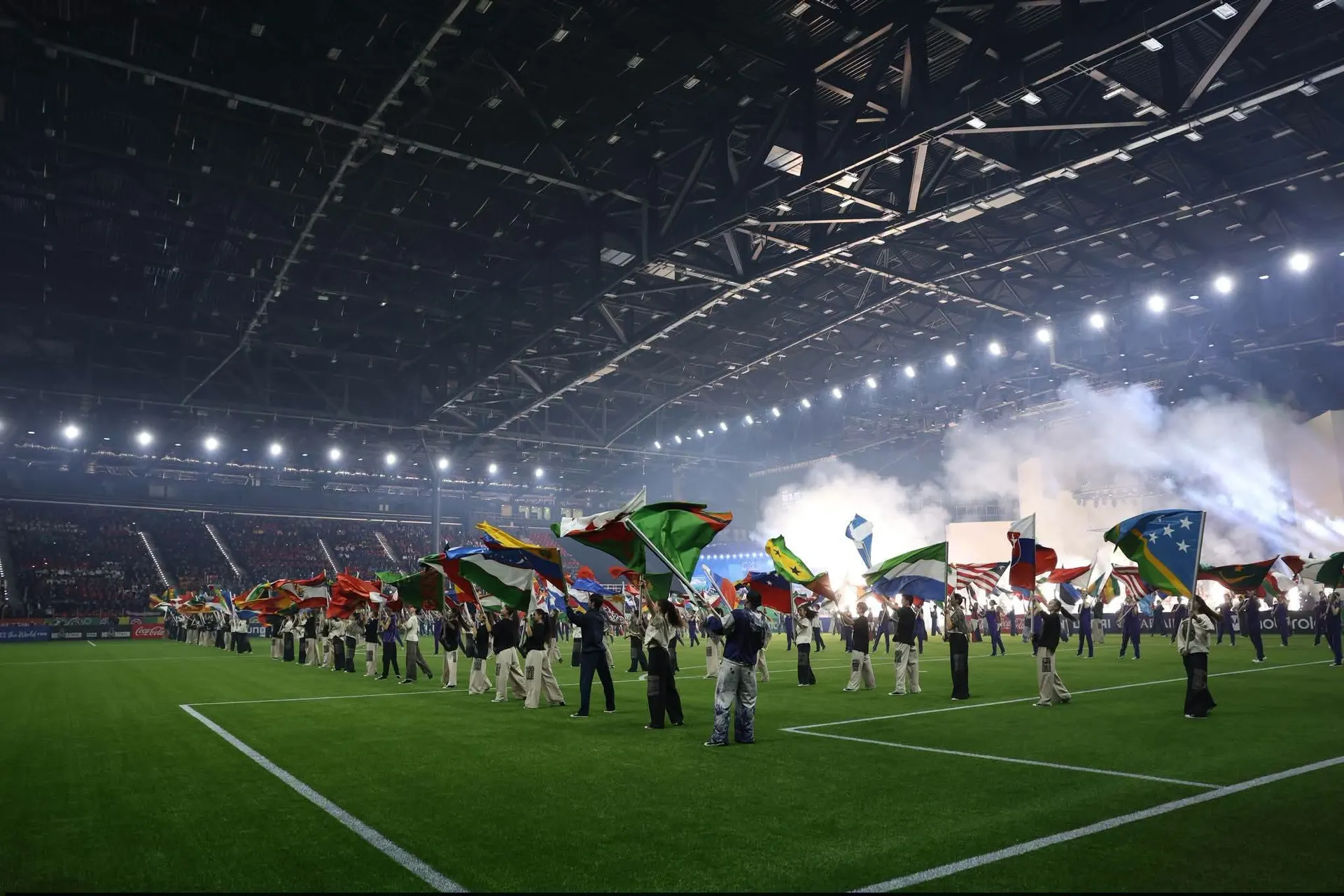
The future direction of African football took centre stage in Cabo Verde, where CAF President Dr. Patrice Motsepe, FIFA President Gianni Infantino and presidents of the 54 CAF Member Associations gathered for the CAF Strategy Conference.
The conference set out an ambitious objective: to elevate football across the continent towards world-class standards through targeted investment and stronger football structures.
The agenda focuses on national teams, professional and grassroots leagues, youth academies, schools football, technical personnel and stadium infrastructure.
For South Sudan, the discussions carry particular significance.
The country has a growing football community, an emerging academy system and national teams competing at regional and continental level. Yet developing sustainable football structures remains one of the biggest challenges facing the game.
Investment in grassroots football, youth academies, coaching education, playing facilities, stadium infrastructure and a stronger domestic league system could play a crucial role in creating a clearer pathway for South Sudanese players from grassroots football to the national teams.
The conference also raises a wider question for South Sudan football: how effectively can the country position itself to benefit from CAF and FIFA development initiatives?
Football development is rarely achieved overnight. It requires consistent investment, technical planning and institutions capable of sustaining programmes beyond individual competitions or leadership cycles.
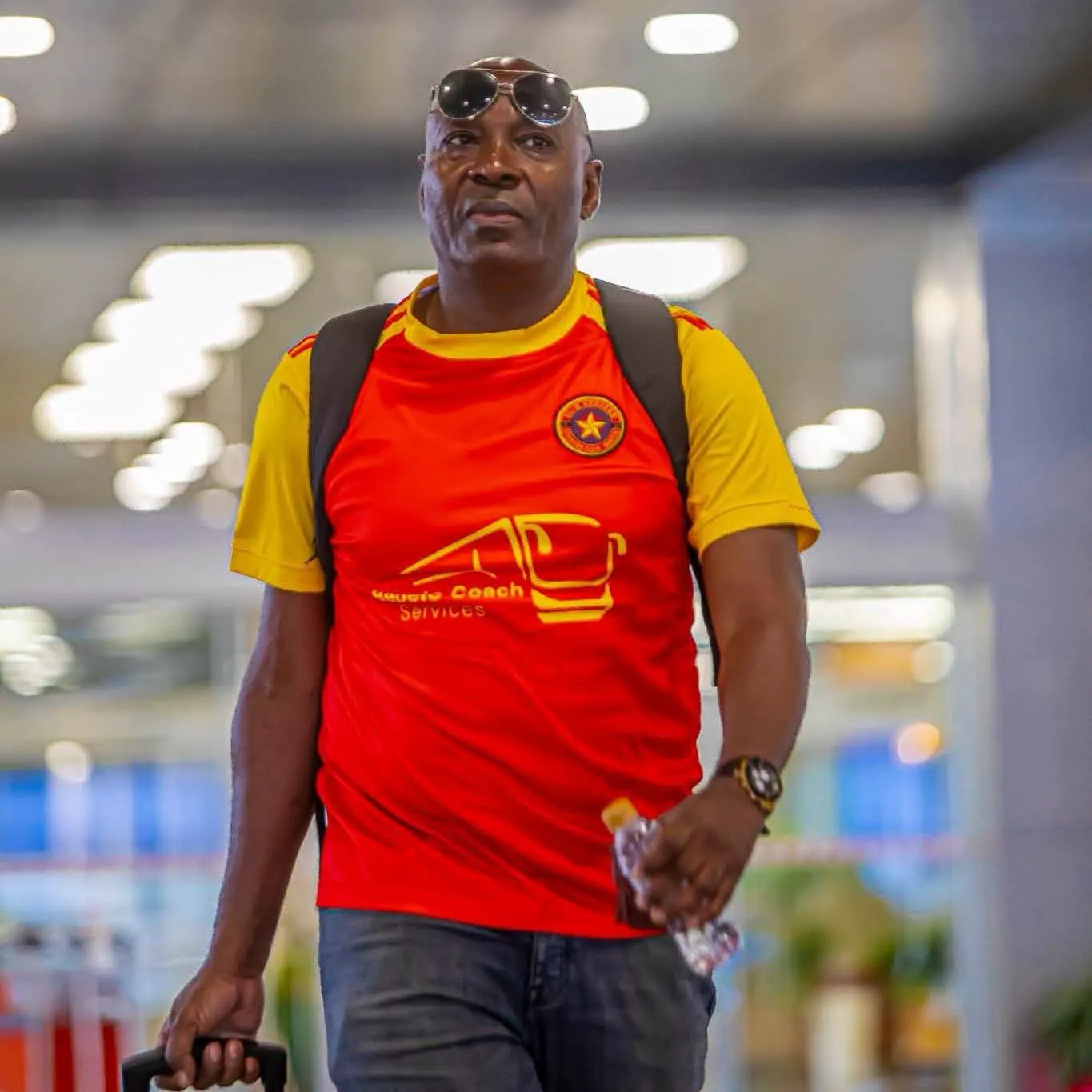
That message was echoed by Football Kenya Federation President Hussein Mohammed, who attended the conference and linked the continental strategy to Kenya's own reform agenda.
“It takes time, consistency and tremendous focus to build structures that we shall be proud of as a country,” Mohammed said.
For South Sudan, the same principle could prove decisive.
The country has talent. What remains critical is building the structures, facilities and development pathways capable of turning that talent into sustained football progress.
The challenge is no longer simply finding talent — it is building the system around it.